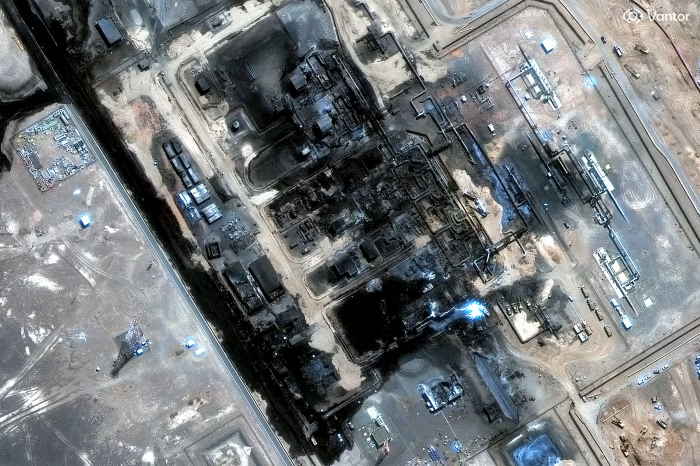
Global oil prices jumped on Tuesday after disruption to Saudi Arabia’s export infrastructure intensified fears about the security of Middle Eastern energy supplies.
Brent crude settled at $108.75 a barrel, rising 2.9%, while US benchmark West Texas Intermediate climbed approximately 4.4% to $105.83.
Crude loading at the Saudi port of Yanbu was reportedly suspended and some cargoes bound for Europe cancelled following attacks on the country’s East-West Pipeline.
An alternative route comes under pressure
The pipeline is significant because it carries oil from Saudi Arabia’s eastern production areas towards the Red Sea. That allows exports to bypass the Strait of Hormuz, a crucial shipping route already affected by regional conflict.
The pipeline can transport up to seven million barrels a day. Its disruption comes alongside threats to Red Sea shipping and production stoppages in Libya, creating several supply concerns at once.
The loss of an alternative route makes the market more sensitive to further trouble. If one passage is disrupted, exporters need somewhere else to send their oil. When those alternatives also become less reliable, buyers have fewer options.
The price rise has been building
Tuesday’s settlement took Brent to its highest closing level since 19 May. The benchmark had risen 20.2% during September, showing how quickly the latest supply concerns have affected prices.
For consumers, crude prices are only one part of the cost of petrol and diesel. Refining, distribution, taxes and exchange rates also matter, so a rise in oil does not produce an identical overnight increase at the pump.
Nevertheless, sustained energy price increases can make transporting goods and running businesses more expensive. That creates pressure well beyond filling stations, particularly if companies pass higher costs on to customers.
The next question is how quickly reliable exports can resume. A short interruption and a prolonged loss of supply would leave households and businesses facing very different outcomes.